
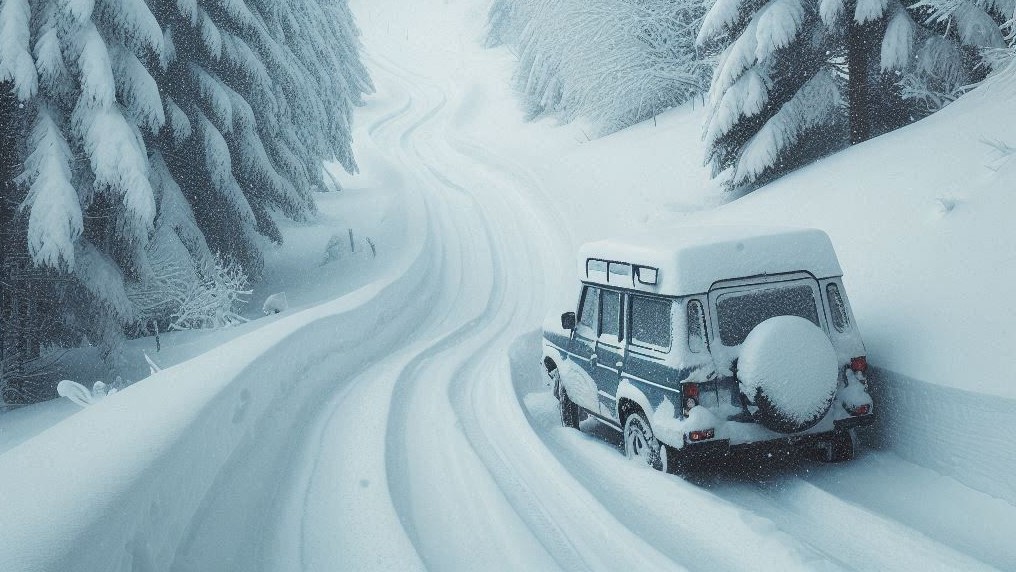
Written with the aid of AI.
Some of the Dangers of Icy Roads
Driving on icy roads presents numerous hazards that can significantly increase the likelihood of accidents and vehicle damage. One of the primary dangers associated with such conditions is reduced traction. When tires encounter ice, their ability to grip the surface diminishes, resulting in a loss of control. This situation becomes even more precarious when drivers miss adjust their driving behavior to account for these slippery surfaces.
The increased stopping distances on icy roads are another critical factor. When brakes are applied, the effectiveness of the vehicle’s braking system is compromised on ice, meaning it takes markedly longer to come to a complete stop. This delayed response can easily lead to rear-end collisions or the inability to stop before a red light or stop sign. Drivers must understand that a simple stop on a clear day becomes an extreme challenge when ice covers the pavement.
Another hazard to be aware of is skidding, which occurs when a vehicle’s tires lose their grip on icy roads. Skidding can be exacerbated by sudden accelerations, sharp turns, or erratic braking, making it vital for drivers to maintain a steady speed and apply smooth, gradual pressure to the brakes. Black ice, a thin layer of ice that often forms without visible signs, is particularly insidious as drivers may not realize they are driving over it until it is too late. Additionally, snow-covered patches can conceal underlying ice, further complicating safe navigation on winter roads.
Being conscious of these driving conditions is essential for maintaining vehicle safety and preventing accidents. Awareness of the hazards linked to icy roads can lead to more prudent driving habits and improved preparedness when facing winter weather challenges.
Key Safety Tips for Driving on Ice
Driving on icy roads can present significant challenges, necessitating a proactive approach to safety. One of the cornerstone principles of safe driving under these conditions is to reduce speed. Icy surfaces can drastically increase stopping distances, making it essential to travel below the posted speed limits whenever conditions are slippery. A slower speed allows greater reaction time, which is critical in maintaining control of the vehicle.
Another vital safety tip involves maintaining a greater following distance from other vehicles. On icy roads, the lack of traction increases the likelihood of accidents; thus, a larger buffer zone enhances your ability to respond effectively to sudden changes in traffic conditions. Ideally, keeping at least six to eight seconds of distance from the vehicle ahead can help prevent collisions in the event of unexpected stops.
Understanding how to use anti-lock brakes (ABS) correctly is also essential when navigating icy roads. In vehicles equipped with ABS, rather than pumping the brakes, drivers should apply steady pressure to slow down. This aspect of safe driving allows the brakes to maintain traction while preventing the wheels from locking up, which can lead to loss of steering control.
Additionally, avoiding sudden movements is crucial. Abrupt steering, acceleration, or braking can destabilize the vehicle, increasing the risk of skidding. Smooth and gradual inputs are preferable, ensuring the vehicle responds predictably even on slick surfaces.
Preparing your vehicle for winter driving is equally important. This preparation includes regularly checking tire treads, ensuring proper inflation, and replacing them if necessary. Equipping your vehicle with winter tires can improve grip. Additionally, it is prudent to keep an emergency supply kit in your vehicle, including items such as blankets, a flashlight, water, and a first aid kit, to ensure safety in case of unexpected breakdowns. Taking these precautions can significantly enhance safety on icy roads.
Common Vehicle Damages Caused by Icy Conditions
Driving on icy roads poses significant risks to vehicle integrity, primarily due to the compromised traction and unpredictable driving dynamics associated with winter weather. One of the most prevalent vehicle damages during icy conditions is tire wear. The reduced grip on ice forces drivers to overcorrect their steering and apply brakes more aggressively, leading to uneven tire wear. This can ultimately necessitate premature replacements, resulting in added expense for vehicle owners.
Moreover, the potential for accidents increases sharply in winter months. According to the National Highway Traffic Safety Administration, approximately 24% of all weather-related vehicle crashes occur on icy, snowy, or wet pavement. These accidents often lead to body damage; collisions can range from minor cosmetic issues to severe structural impairments, depending on the speed and point of impact. The financial ramifications of body repair can be substantial, often requiring considerable investment to restore the vehicle to its original condition.
In addition to external damage, icy conditions can cause various mechanical issues. Abrupt stops or starts can strain components like the brakes and suspension systems, leading to malfunctions that may compromise the safety of the vehicle. For instance, a sudden stop on ice can lead to brake overheating, while repeated harsh driving conditions can unsettle the alignment, further complicating vehicle handling. As per research from the Federal Highway Administration, over 900,000 accidents occur annually due to winter driving conditions, highlighting the critical need for awareness regarding potential vehicle damages in icy circumstances.
Replacement Parts and Repairs: What You Need to Know
Driving on icy roads can lead to various vehicle damages, making it essential for drivers to understand the process of replacing damaged parts. After an incident, it is crucial to assess the extent of the damage to determine if professional repairs are necessary or if a DIY approach is suitable. Minor issues such as exterior scratches or small dents might be manageable through a DIY repair; however, more severe damage, including problems with the braking system or structural integrity, typically requires professional assistance to ensure safety and compliance with standards.
When considering replacement parts, quality should be a top priority. Opting for original equipment manufacturer (OEM) parts may be more advantageous than choosing aftermarket options, as OEM parts are designed specifically for your vehicle model and tend to minimize further complications. Additionally, researching and reading reviews on different suppliers can aid in selecting quality components. Websites, local auto parts stores, and dealerships are valuable resources for obtaining these parts, and it’s advisable to consider warranties that accompany purchases for added peace of mind.
Furthermore, maintaining your vehicle during winter months is essential in mitigating the risk of damage caused by icy conditions. Regular inspections and maintenance routines, such as checking fluid levels, ensuring proper tire pressure, and inspecting wipers and lights, help keep vehicles in optimal condition. Scheduled maintenance can prevent issues from escalating and contributes significantly to overall safety on the road.
Timely repairs are also critical when it comes to vehicle safety. Delaying necessary replacements may lead to more extensive damage and higher repair costs in the long run. Thus, being proactive in addressing damages not only safeguards your vehicle but also enhances your safety while navigating icy roads.